What are the types of linear modules? And what are their advantages and disadvantages?
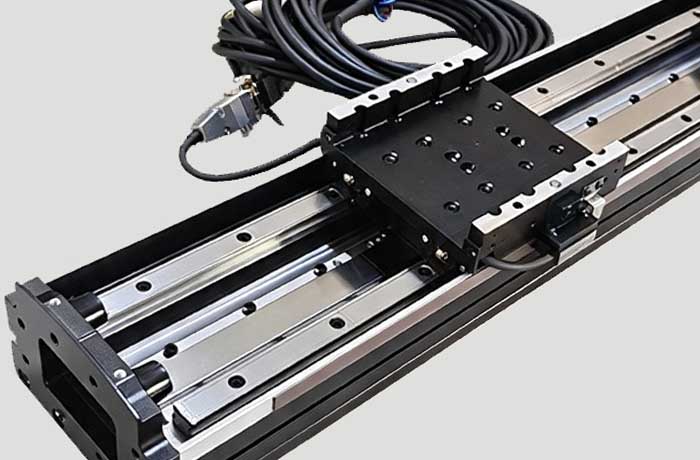
Linear modules are core transmission components for automated equipment. Common types include timing belts, lead screws, racks, and linear motor modules. Each type has significantly different structures and prformance characteristics. The advantages and disadvantages of these four types of modules are summarized below for easy comparison when selecting equipment.
I. Timing Belt Linear Modules
Advantages:
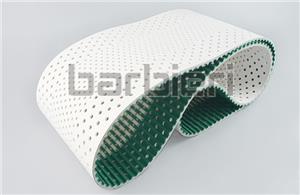
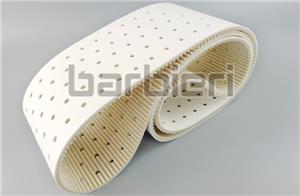
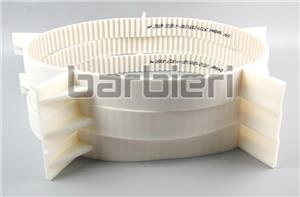
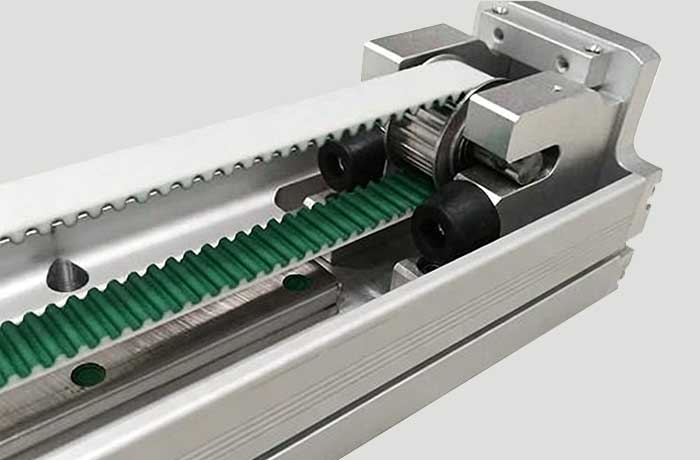
1. Stable and precise transmission: Utilizes toothed meshing transmission, eliminating slippage, maintaining a constant transmission ratio, and ensuring smooth and stable operation, meeting the needs of most conventional automated transmission systems.
2. Low noise and good vibration reduction: The belt's flexible buffering properties effectively reduce vibration and operating noise, making it suitable for quiet operating environments.
3. Simple maintenance and high cost-effectiveness: Simple structure, universal parts, convenient daily maintenance, low operating costs, and strong compatibility with mass-produced equipment.
4. Supports ultra-long strokes: No lead screw deflection limitations; center distance can reach over 10 meters, suitable for long-stroke transplanting, conveying, and other working conditions.
Disadvantages:
1. Lower load capacity compared to lead screw modules. 2. Proper tension must be maintained, and the tensioning device needs to be checked and adjusted regularly.
3. The positioning accuracy of timing belt modules is not as high as that of ball screw modules.
The accuracy of timing belt modules is mainly affected by the manufacturing and installation accuracy of the timing belt and timing pulleys. To ensure high-precision operation of the module, it is essential to select manufacturers with advanced production processes and strict quality management systems, and to choose high-quality timing belts and timing pulleys.
II. Ball Screw Linear Modules
Advantages:
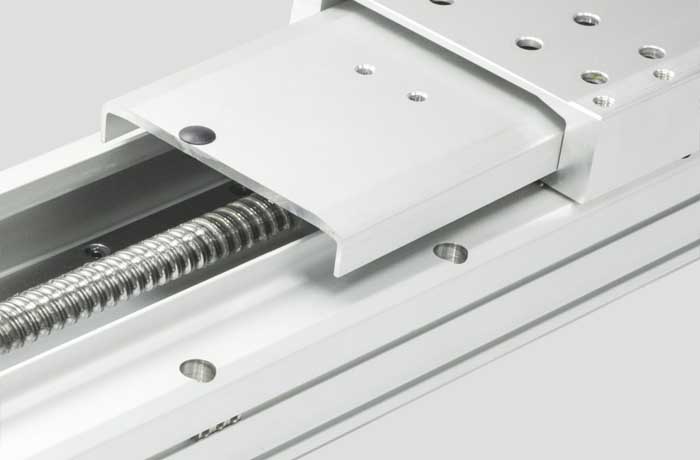
1. High transmission efficiency: Ball screw modules have high transmission efficiency and can quickly transmit power.
2. High transmission accuracy: The movement of ball screw transmission is smooth, without creeping, ensuring high-precision transmission.
3. Long service life: Due to low friction loss from rolling friction, the service life is relatively long.
4. Reversible: Ball screw modules can convert rotational motion to linear motion, and vice versa.
Disadvantages:
1. Not self-locking: Ball screw modules cannot self-lock when used vertically, requiring an additional braking device.
2. Limited stroke: The stroke of a lead screw module generally does not exceed 2 meters.
3. Higher price: The manufacturing cost is relatively higher than that of synchronous belt and rack-and-pinion linear modules.
III. Rack-and-Pinion Linear Module
Advantages
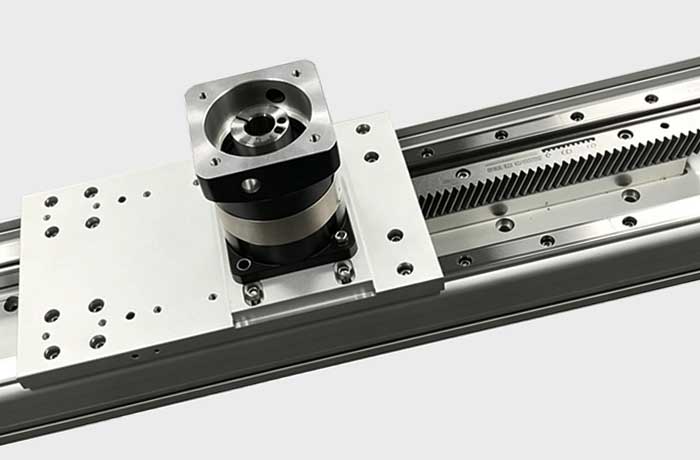
1. Strong heavy-duty capacity: The gear and rack have sufficient rigidity and impact resistance, capable of withstanding large loads and torques, suitable for heavy equipment conditions.
2. Smooth transmission operation: Not prone to vibration or deviation during heavy-load, high-speed operation, resulting in excellent equipment stability.
3. Unlimited stroke: Multi-segment splicing can achieve ultra-long stroke transmission.
Disadvantages
1. Lower conventional accuracy: Compared to other transmission methods, the accuracy of rack-and-pinion modules is lower, making them unsuitable for high-precision motion control applications.
2. Rapid wear and high maintenance requirements: Metal-to-metal hard-contact transmission is prone to wear, requiring regular lubrication and clearance checks.
3. High installation requirements: Strict requirements for base flatness and splicing accuracy; improper installation can easily lead to jamming and failure.
IV. Linear Motor Module
Advantages
1. Extremely high speed: No mechanical transmission lag, excellent acceleration performance, suitable for high-speed conditions. 2. Ultra-high positioning accuracy: High repeatability, meeting the needs of ultra-precision machining and inspection.
3. Simple structure: No complex transmission mechanism, resulting in a more compact overall structure.
4. Low noise and vibration: Relatively low noise and vibration during operation, improving the overall performance of the equipment.
Disadvantages:
1. High cost: The core components and control system are extremely expensive, with an overall investment far exceeding that of other modules.
2. Not suitable for vertical use: No self-locking function when power is off, load slippage is easy, unsuitable for vertical working conditions.
3. Limited load capacity and prone to heat generation: High heat generation during high-speed operation, weaker continuous heavy load capacity than lead screw and rack modules. Sensitive to cleanliness, temperature and humidity, and installation accuracy; susceptible to electromagnetic interference.